
Step-by-Step Guide for Homeowners, Renters, & Builders on Mould Removal Cape Town
Mould in your home is annoying, but that’s the least of your troubles -if it’s left unchecked, it can result in a serious health hazard for the entire family. This is especially a concern if you live in Cape Town or other cities that are prone to moisture. This blog provides straightforward explanations of what causes mould, how to identify it, what the law says, and what to do next.
You will discover:
- What rights you have when renting
- What mould can do to your health, even if you can’t see it
- Where Cape homes are most susceptible to mould growth
- What actions should be taken to properly fix it rather than just hide it?
- When to seek professional help and when to report it
By the end, you’ll understand how to deal with mould in your house and how to keep it from returning.
1. What the Law says about mould removal:
There is no official cap on the amount of mould that can grow indoors in South Africa. To declare something “safe” or “not safe,” the government doesn’t assign a number to a mould rating. The governments laws are centered around the factors that LEAD to mould – the important thing is to stop the moisture that leads to mould in the first place. However, this does not mean you should not do regular mould checks as after heavy rains, or in older homes, mould can be invisible yet no less harmful to your health.
Rules of Cape Town:
According to Cape Town law, mold brought on by moisture, leaks, or inadequate ventilation can be harmful to one’s health. After inspecting your house, the city may request that you make repairs.
Good ventilation, or airflow, is essential, particularly in kitchens and bathrooms.
Are you renting?:
Landlords are responsible for maintaining the house’s safety and condition. This includes repairing mould or moisture brought on by leaks or inadequate upkeep. Tenants have the right to notify the Rental Housing Tribunal of significant issues.
2. How Your Body Alerts You to a Mould Issue:
Mould can have an impact on your health even if you can’t see it. These are typical signs and symptoms:
Issues with breathing or allergies:
- Sneezing
- Runny or blocked nose
- Red or itchy eyes
- Rashes on the skin
- The worsening of asthma
- Infections of the chest
Other indicators that could be present:
- A headache
- Constantly exhausted
- Having trouble concentrating
- Moody or depressed
Warning indications in your house:
- A musty or wet odor
- Water stains on ceilings or walls
- Condensation on pipes or windows
- When you leave the room or house, you feel better.
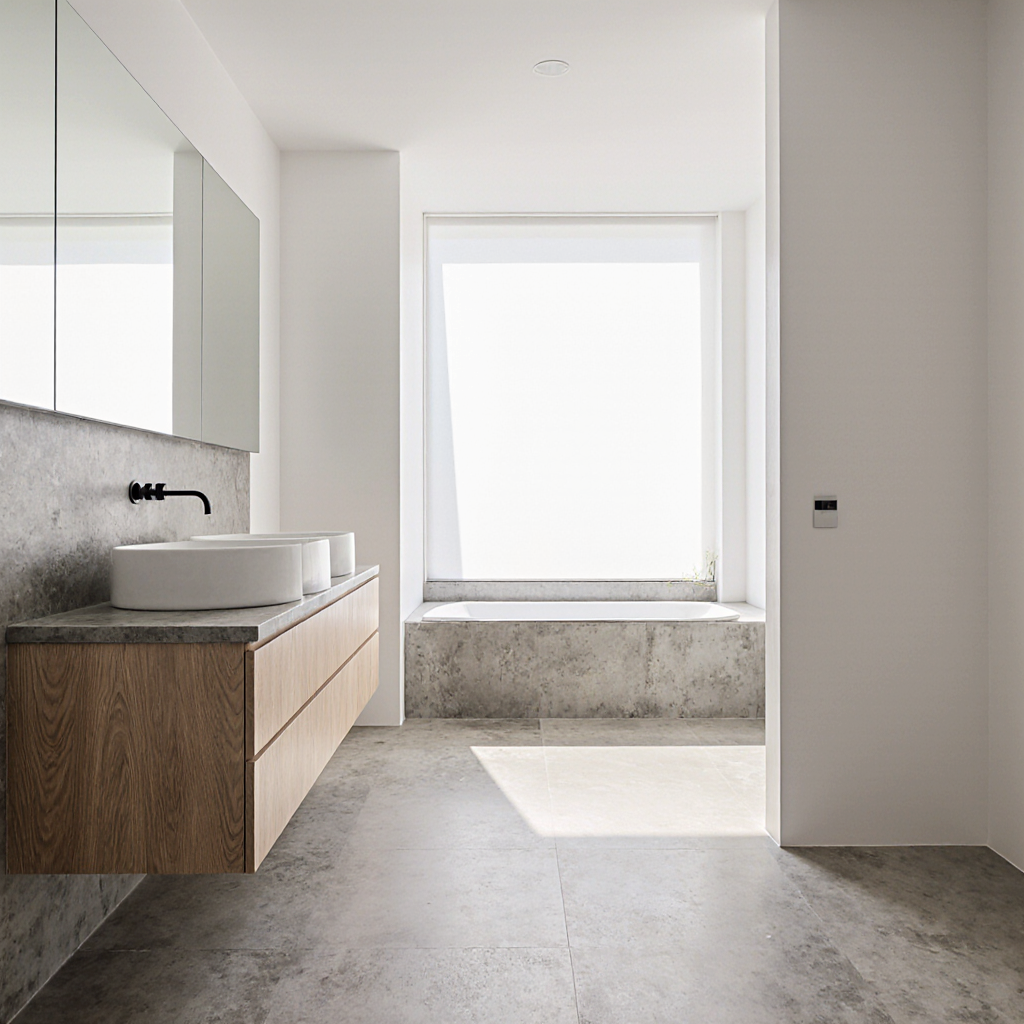
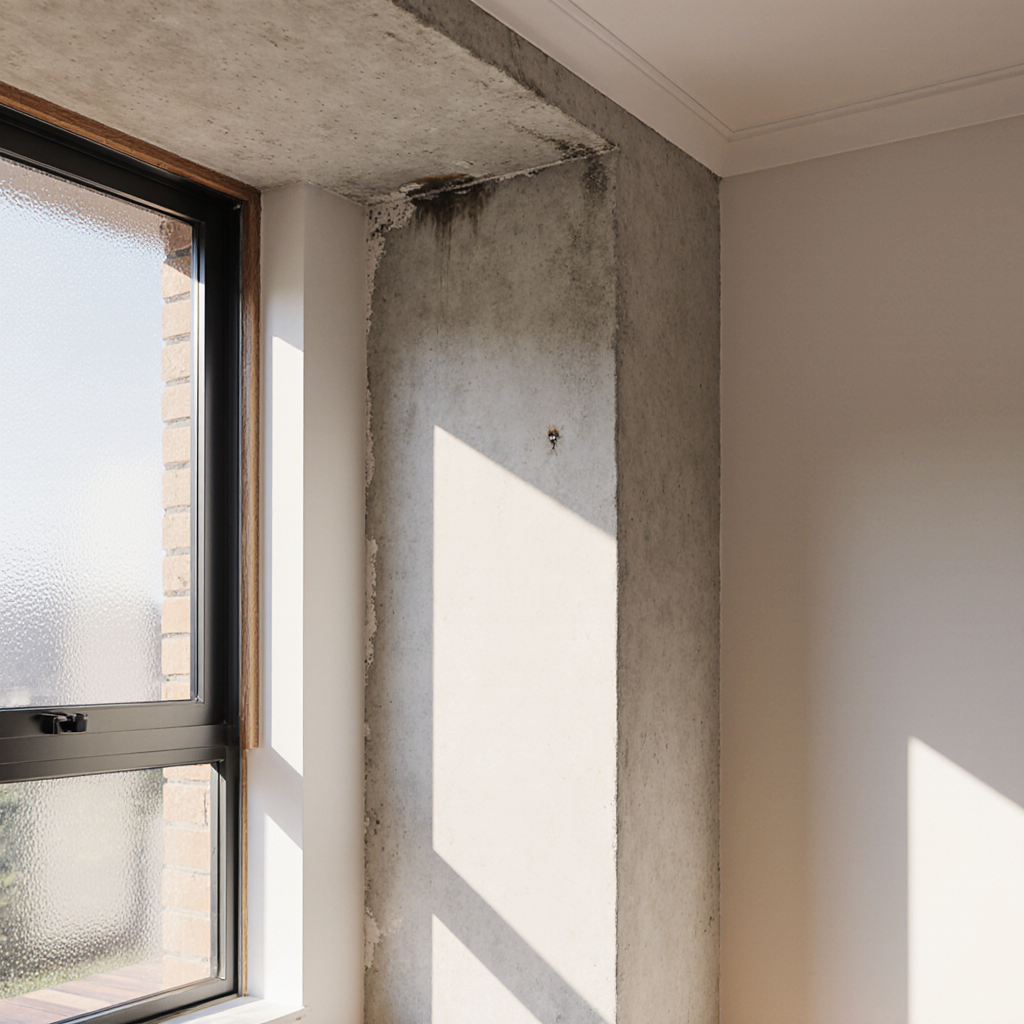
3. Cape Town Homes: Where Mould Grows:
For mould to grow, there must be moisture and inadequate ventilation. It frequently shows up in kitchens, laundry rooms, and bathrooms.
Within built-in cupboards, particularly those that are situated against external walls,
- Against chilly walls behind furniture
- Behind skirting boards or beneath carpets
- Roof spaces and ceilings
- pertaining to plumbing (geysers, sinks, and toilets)
- Ducting or air vents
Cape Town’s High Risk Factors
The cold indoor air and rainy winters in Cape Town lead to condensation, or the accumulation of water on surfaces. The most vulnerable homes are older ones with inadequate insulation, particularly between June and August.
4. What You Should Do (Step-by-Step)
Your easy to understand guide to mould removal Cape Town.
Step 1: Stop the Moisture
Start here. Mould doesn’t show up without moisture, so your first job is to shut that down. Look for roof leaks, dripping pipes, blocked gutters—anything that lets water in where it shouldn’t be.
Make sure rainwater drains away from the house (not into it). If anything’s wet—mats, walls, floors—dry it out fast, ideally within 1 to 2 days. After that, mould has a head start.
Step 2: Get the Air Moving
Bathrooms and kitchens are mould’s favourite hangouts because they’re warm, damp, and steamy. You need airflow. Open the windows. Switch on extractor fans if you’ve got them.
If you use a tumble dryer, make sure it vents outside. Try to keep your home’s humidity below 60%. A cheap humidity meter can help you keep an eye on it—worth it.
Step 3: Don’t Just Wipe It—Handle It Properly
For small patches on hard surfaces, use detergent and water. Scrub, rinse, and dry completely. But if it’s on carpets, ceiling tiles, or anything soft and absorbent—it’s probably time to let it go.
Don’t just paint over mould. It’ll come back.
And when you clean, protect yourself: gloves, goggles, and a proper mask (not a kitchen cloth over your mouth).
Step 4: Know When It’s Out of Your Hands
If you’ve fixed the leaks, improved airflow, done your cleaning—and the mould keeps coming back—it’s time to bring in help.
Also call someone if you’re getting symptoms (headaches, sneezing, chest tightness), but can’t find the mould. Or if you’re staring at a damp wall thinking, “Where is this even coming from?”
A professional can test the air or surfaces to find hidden mould. Just note: South Africa doesn’t have a “safe” level number. The test helps you know what’s going on—it’s not a pass/fail.
Step 5: If It’s Not Your Job to Fix It—Report It
If the mould is from structural issues like rising damp, or if you’re renting and your landlord’s ghosting you on repairs, take action.
You can contact the City of Cape Town’s Environmental Health team for an inspection.
Or log a complaint with the Rental Housing Tribunal.
- Just make sure you’re documenting everything:
- Photos of the damage
- Notes on when you noticed it
- Doctor’s letters if anyone’s health is affected
Mould checks are beyond cleanliness and aesthetics; they are real health and safety concerns.
And in Cape Town, where winters are wet and walls stay cold, mould removal isn’t a maybe. It’s essential.

5. When You Need a Professional Mould Inspection:
Because sometimes the problem isn’t what you can see—it’s what you can’t.
Let’s say you’ve already done the work: fixed leaks, aired out the space, scrubbed every corner. But still—there’s that smell. Or someone in the house keeps getting sick. Or maybe the mould disappears, only to come back like it’s got unfinished business.
That’s when you stop guessing and bring in a professional.
Here’s when to get a proper mould inspection:
- You can smell mould, but can’t figure out where it’s coming from
- Someone in your home is getting sick, but they feel better when they leave
- There was past water damage (even if it looked sorted at the time)
- You suspect the mould might be growing behind the walls, in the ceiling, or under the floor
- You need documented proof for a landlord, body corporate, or insurance claim
What a mould inspector actually does:
They’re not just sniffing the air and handing you a quote. A good inspector will:
- Check moisture levels inside walls, ceilings, or other hidden areas
- Take air or surface samples to identify mould spores
- Pinpoint the hidden source so you’re not just treating symptoms
- Give you a clear plan for proper removal and drying
Important to know:
South Africa doesn’t have a legal mould threshold. So you won’t get a “pass” or “fail.”
But a report from an inspector gives you something real to work with—proof that there’s a problem (or that it’s been fixed properly).
6. Can You Have Mould Without Seeing It?
Yes. And it’s more common than most people think.
Mould doesn’t always make itself obvious. In fact, the most harmful kind often hides in places you won’t notice until your body or your home starts showing the signs.
Here’s what “invisible mould” actually means—and why it matters.
1. It’s inside your walls, ceiling, or floors
Leaks behind drywall, under tiles, or near plumbing can create the perfect damp breeding ground. You won’t see it until the damage is advanced—or the smell gives it away.
2. It’s floating in the air
Mould releases tiny spores you can’t see. You might be breathing them in daily, especially if there’s poor ventilation. No patch on the wall doesn’t mean no mould in the house.
3. It’s been painted over
Sometimes people try to cover up the problem with paint or cladding. It might look clean, but the mould is still growing underneath, feeding off the trapped moisture.
4. It’s still early
Mould doesn’t start black and dramatic. It begins as light, thin threads—often white or clear—and only darkens with time. You need a torch or sharp eye to spot it early.
Signs that point to hidden mould:
- That persistent musty or damp smell
- Allergic reactions like sneezing, headaches, or fatigue, especially in certain rooms
- Past leaks or water damage that weren’t fully dried out
- Walls or ceilings that feel soft, warped, or unusually cold to the touch
- Condensation building up on windows, walls, or pipes
If any of this sounds familiar, don’t wait for black spots to show up. In Cape Town’s damp winter climate, hidden mould is a real risk—and proper mould removal isn’t just about what you can see.
7. How SK Projects & Investments Can Help:
We don’t patch. We solve.
Mould isn’t just a surface issue—it’s a symptom of something deeper. At SK Projects & Investments, we don’t stop at cleaning or repainting. We find the root cause and fix it properly, so it doesn’t come back.
Here’s what we handle:
- Leaks from roofs, gutters, or pipes
- Rising damp or moisture in walls
- Poor drainage and stormwater problems
- Bad airflow or missing ventilation
- Lack of insulation causing condensation
- Surface damage caused by mould—once the area is fully dry
Our process is simple and effective:
Diagnose → Repair → Dry → Only then, finish.
Fix the cause. Not just the stains.
Featured Projects:
4 Oxalis Street, Milnerton
The 2‑Month Turnkey Transformation
When we stepped into 4 Oxalis Street, Milnerton, the home showed promise but needed a full reimagining. Situated on a spacious 996 m² erf, the original 170 m² property was dark, compartmentalised, and lacked flow. https://skprojects.co.za/saying-goodbye-to-4-oxalis-street-milnerton/
SK Projects & Investments invested in and led every aspect of this full‑turnkey renovation, finishing on time and within budget. https://skprojects.co.za/home-renovations-and-construction/
This renovation transformed a dated, disjointed family home into a bright, modern, functional living space designed for connection and ease. Thoughtful landscaping and fresh layouts maximize flow, comfort, and value—without compromise.
Email: shaheen@skprojects.co.za
Phone: 082 921 9190
Follow Us: Instagram @sk_projects_and_investments for home renovation and property investment tips, advice, and stunning before-and-afters.
Contact SK Projects and Investments for expert guidance and quality assurance in your next Cape Town home renovation or development project. Ensure your investment today builds the value of tomorrow.